Dagli Asburgo a Maastricht: nazionalisti sì, ma europei.

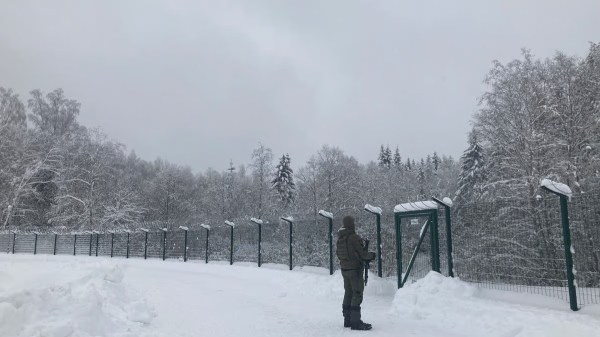
Artenisa Fili | Negli ultimi anni, il nazionalismo e il sovranismo sono spesso descritti dai media e dagli osservatori politici come una minaccia per l’unità europea. L’affermazione “siamo troppo nazionalisti per essere europei”1 sintetizza quest’ansia diffusa: il radicamento identitario e l’affermazione della sovranità nazionale minacciano l’unità europea.  Un’analisi dell’ISPI ricorda come l’integrazione europea era nata anche per neutralizzare il nazionalismo... Continua a leggere →

Local competition – Global Impact: How do Middle Eastern countries rank with established space powers?

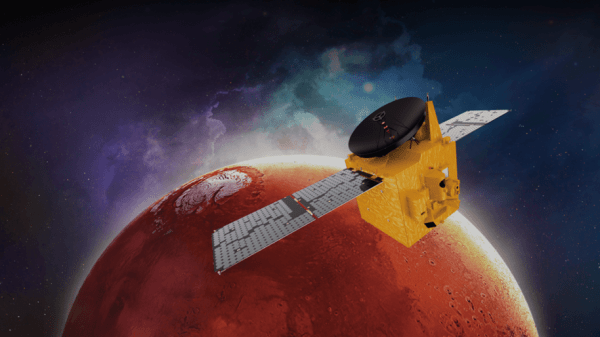
CRISTIAN MORELLI | After many decades of lost interest into space exploration, two new regional powers are on the rise: Saudi Arabia and the United Arab Emirates. Thanks to the significant budget allocated to their national space programs, the two countries are demonstrating renewed attention to space missions and investments that may allow the MENA region to become a new powerhouse in a sector which has been dominated since the 1960s by the US, Russia and only recently China, India and the EU. Considering the MENA region as a new hub for space investments will depend on the current and future successes of, as well as on the total number of yearly, space missions and defense projects.

Modern China as the German Second Empire: “Sonderweg” theory and historical lessons for a renewed multipolar world

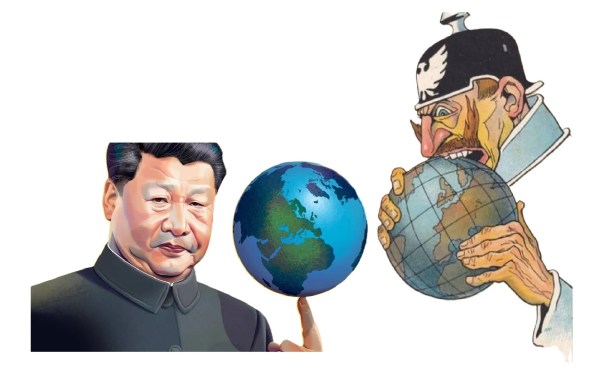
ANDREA PERRINO | The evolution of Modern China's politics has many similarities with that of the second German Reich (1871-1918). Likewise, the current system of international relations is also evolving towards multipolarity as between the 19th and 20th centuries. By critically extending the historiographical theory of “Sonderweg” from Germany to China, this paper posits a comparison between the prudent leadership of "Otto von Bismark and Deng Xiaoping", and the relay to the nationalist and global-oriented impulse of "Wilhelm II and Xi Jinping". The aim is that of reducing uncertainty in the current multipolar world by wondering whether a hypothetical historical déjà vu might result in a path-dependency towards a generalised conflict, arming our reflection to prevent it.

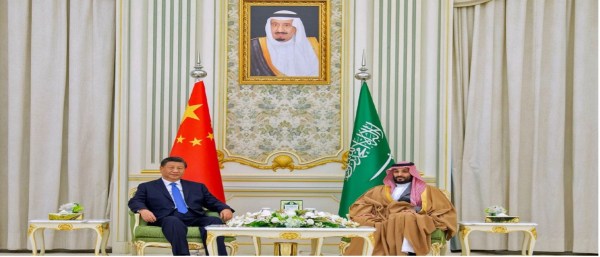
#FocusCina 11: Xi in Arabia Saudita, tra partership strategica e scenari futuri per il mondo multipolare

GIANMARCO RABANI| La Repubblica Popolare Cinese, per mezzo del suo Presidente Xi Jinping, torna alla ribalta sulla scena internazionale. Dopo oltre due anni di isolamento causa pandemia, negli ultimi mesi il leader cinese ha partecipato in presenza a diversi incontri multilaterali e bilaterali per rafforzare le relazioni estere cinesi. In ultimo, quello in Arabia saudita a dimostrazione dell'impegno profuso da Pechino per diventare un attore protagonista nel Golfo e più in generale nel Medio Oriente, sfruttando le lacune degli Stati Uniti.

[ENG] China and Digital colonialism in the new scramble for Africa

ANDREA PERRINO | Although GDP growth in Africa is not yet enough to eliminate poverty in the continent, the demand for digitization is a market of enormous proportions. China aims to build all the electronic infrastructures relevant to Western economies. This increases the fear of a quasi-monopoly of the sector: are there the extremes of digital colonialism?

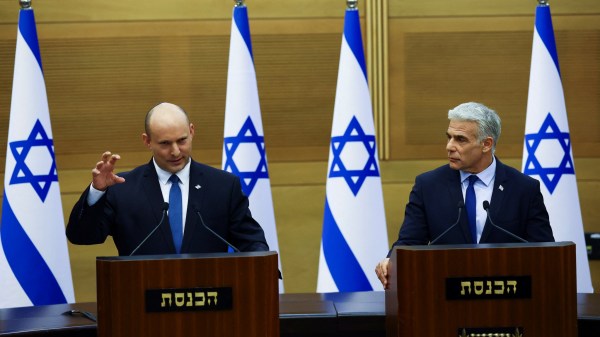
Israele si prepara a tornare al voto: il Governo scioglie la Knesset

RITA MIRCHIONI | Il Premier israeliano Naftali Bennett ed il Ministro degli Esteri Yair Lapid hanno annunciato che tra qualche giorno il Parlamento voterà sullo scioglimento della Knesset. Se il voto dovesse passare Lapid sarebbe nominato Primo Ministro ad interim, traghettando così il Paese verso nuove elezioni. L’ex leader Natanyahu sogna intanto il ritorno.

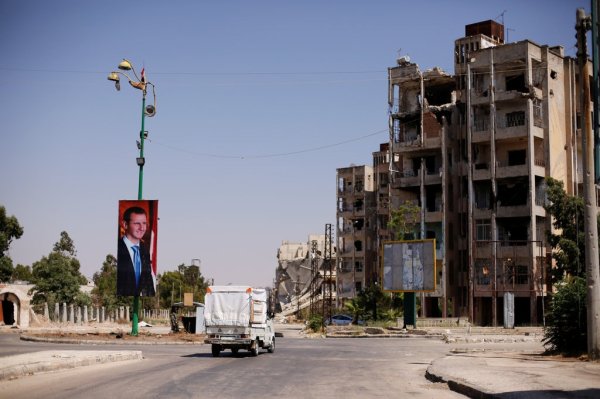
La ricostruzione in Siria – Intervista a Lorenzo Trombetta a cura di Beatrice Gori

Il 15 marzo 2021 ricorre il decimo anniversario dall’inizio delle proteste contro il regime di Bashar al-Assad e lo scoppio della guerra. Il conflitto non è oggi ancora concluso e la Siria vede sul suo territorio la presenza di numerose forze statuali e non statuali. Con Lorenzo Trombetta - corrispondente da Beirut per ANSA e collaboratore di Limes, Rivista Italiana di Geopolitica - cerchiamo di capire cosa significa parlare di ricostruzione in Siria e quali sono le principali criticità da considerare.

Sito con tecnologia WordPress.com.

Su ↑